registryFamily registryProfessional registryPublic registryIndividual main registry

* The following are terms used to describe brain injury: concussion, traumatic brain injury (TBI), aquired brain injury (ABI), pediatric acquired brain injury (PABI), head injury along with different levels to describe the initial injury: mild, moderate or severe.

register
login

21529 members already registered

1 2 3 4 5 6 7 8 tabs

Welcome


Thank you for your interest in the Sarah Jane Brain Project.
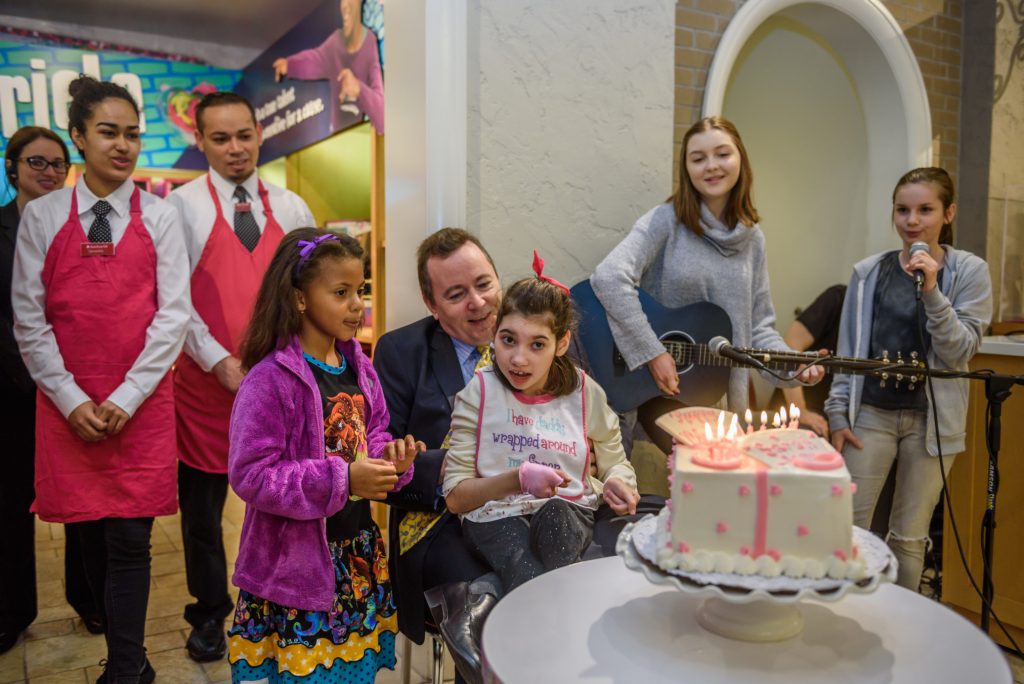
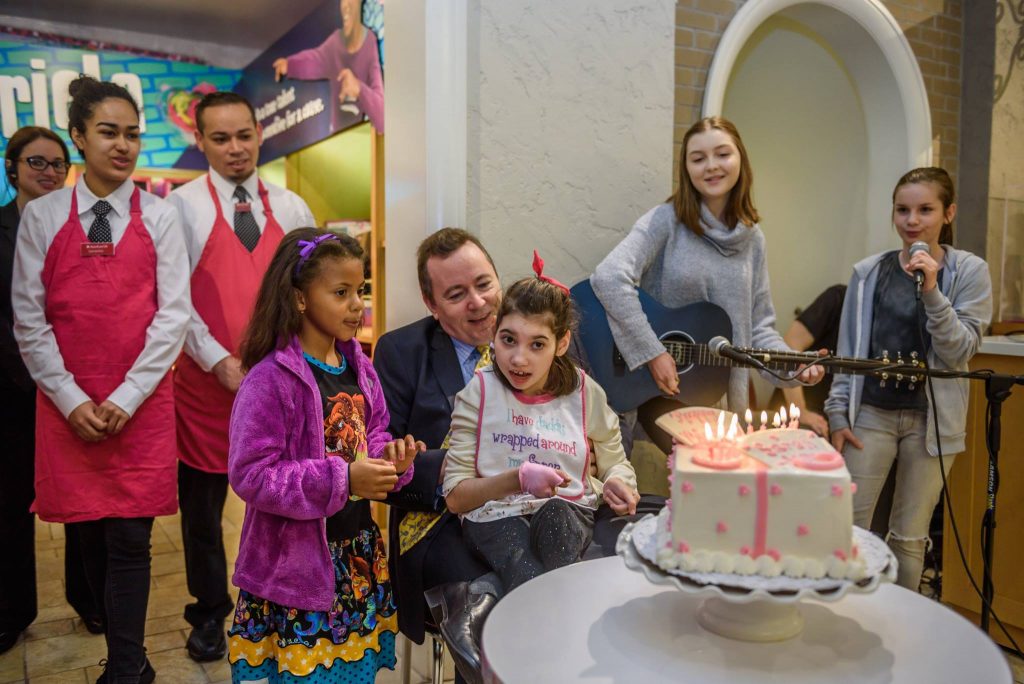
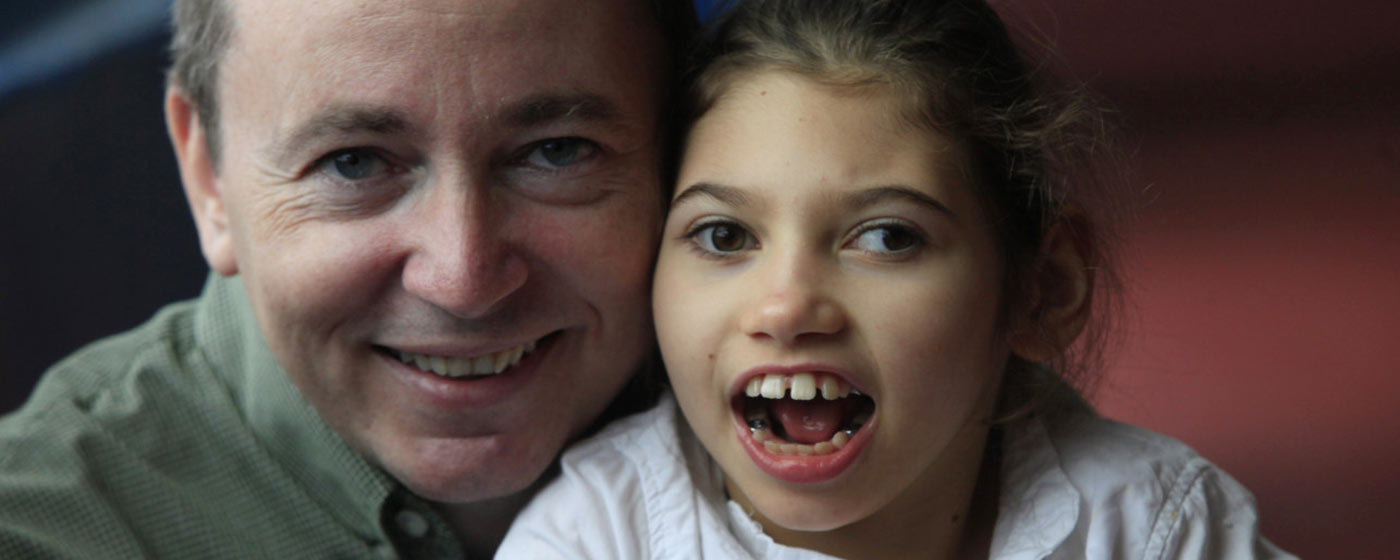
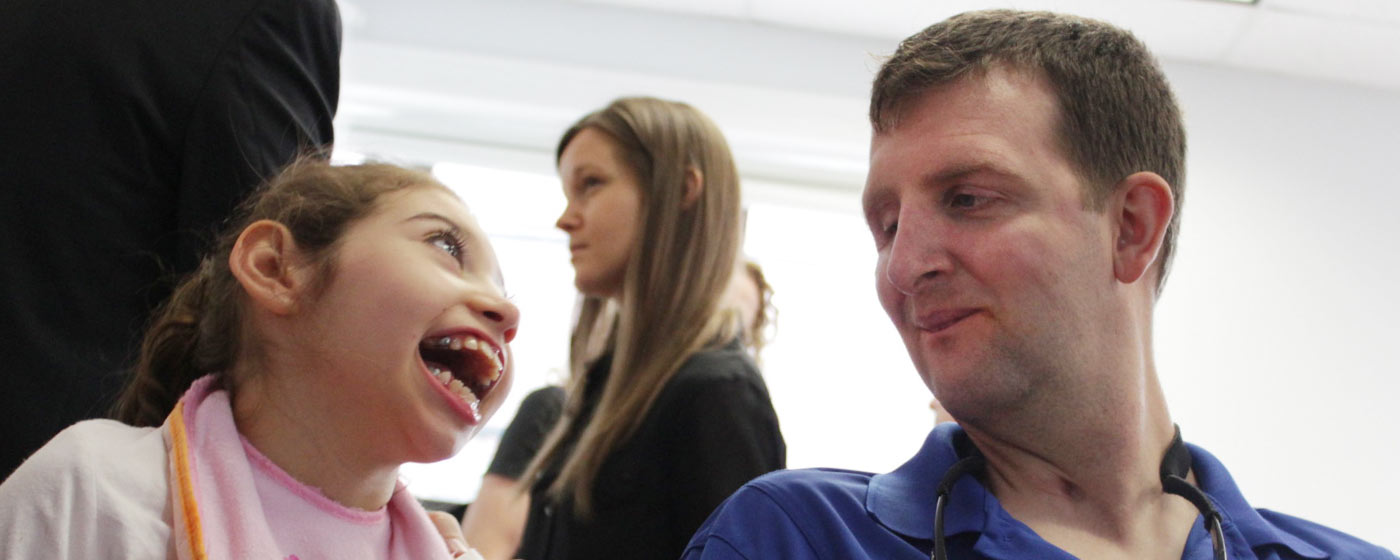
Sarah Jane Donohue is my five-year old daughter who was violently shaken by her baby nurse when she was only five days old, breaking four ribs, both collarbones and causing a severe Pediatric Acquired Brain Injury – PABI.

The Mission of the Sarah Jane Brain Project is to create a model system of care for children and young adults suffering from all Pediatric Acquired Brain Injuries in order to advance our knowledge of the brain fifty years over the next five years!

As a father of a child suffering from a Pediatric Acquired Brain Injury (PABI), I have spent countless hours searching the internet and speaking with Sarah Jane’s development team (doctors, therapists and other professionals) trying to improve the development of my daughter. What I found was that while there are a countless number of wonderful and informative prevention sites for Shaken Baby Syndrome and advocacy sites for brain injuries, there is no one centralized resource for research and rehabilitation for PABI. Furthermore, many of the issues families and children face are the same whether the brain injury was caused by a car crash, an assault or by a tumor.

No one person or organization has all the answers to the questions that parents of children suffering from PABI face. Yet through my own experience, I learned that the coordination and dissemination of Sarah Jane's medical and therapy records and data in an orderly manner greatly helps her development team better help her. These wonderful individuals are constantly looking for additional ways to improve Sarah Jane's progress by speaking with their colleagues, reading literature on brain injury, and collaborating with other parents. But they all admit there is a considerable amount that still needs to be learned about the human brain, particularly the developing brain.

The field of neuroscience today is similar to the computer industry in the 1950s and 1960s: you have a diverse group of very smart people working independently of one another throughout the United States and the world, yet few know what the others are doing behind closed doors. Fast- forward 50 years and many of the breakthroughs in the computer industry have been made utilizing the principles of open source – a research method that promotes free and open access to the design and production of goods and knowledge. Its use was made well-known through the creation of the Linux computer operating system, in which professionals share knowledge to make corrections and fix problems. Open source is commonly used by millions of people today through the Wikipedia online free encyclopedia, a collection of public entries on established subjects that allows anyone to make additions or corrections.

The National Institute of Mental Health launched The Human Brain Project in 1993 to develop and support the new science of neuro-informatics. From this initiative, it became obvious what needed to be done. That's why we created the Sarah Jane Brain Virtual Center of Excellence – an ecosystem for professionals and families dealing with PABI around the world and a vehicle to help implement the PABI Plan by establishing a model system for PABI.

Thank you in advance for being part of the Sarah Jane Brain Project and please share this site with others you think would be interested.

Patrick B. Donohue, Esq.
Father, Sarah Jane Donohue
Founder, The Sarah Jane Brain Foundation

What is PABI?


Quick Facts

  • PABI = Pediatric Acquired Brain Injury
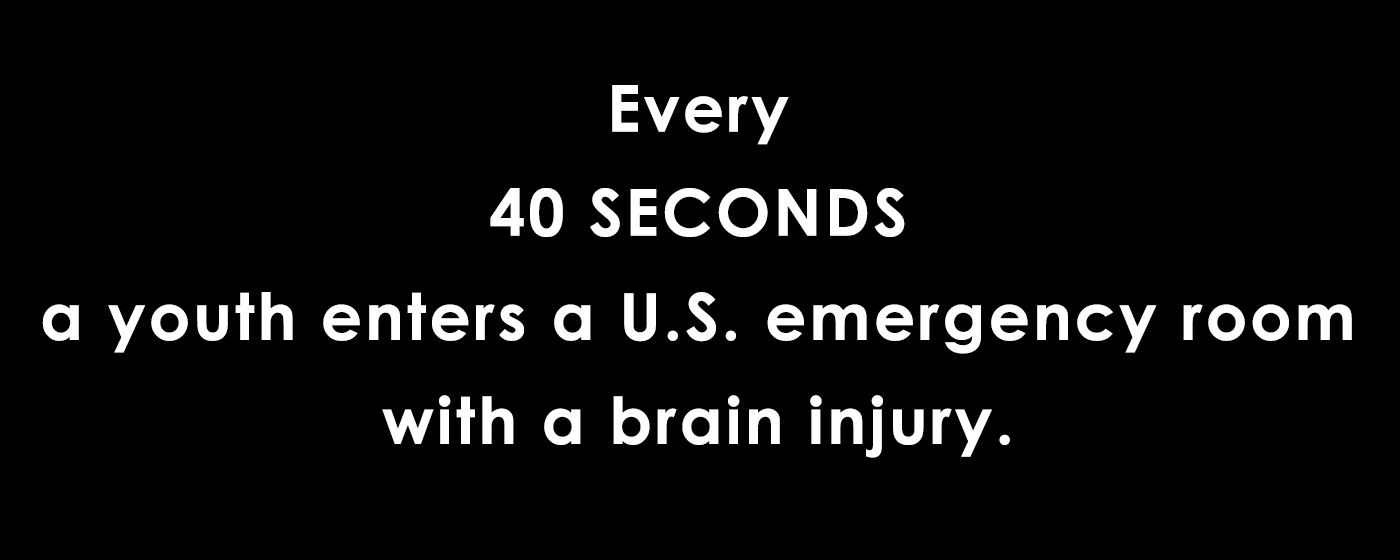
  • PABI is the #1 cause of death and disability for children and young adults in the United States
  • Causes of PABI can be both Traumatic Brain Injury (TBI) as well as non-traumatic brain injury (ABI)
    • TBI causes: falls, motor vehicle incidents, sports concussions, blast injuries from war, violence/assault/child abuse/shaken baby syndrome, gunshot wounds, bicycle accidents, or anything else resulting in trauma to the head
    • Non-traumatic causes: brain tumors, meningitis, strokes, high fevers, lack of oxygen such as in near-drowning incidents or due to difficulty breathing after birth, poisoning, ischemia and substance abuse
    • More than 3,000,000 new pediatric brain injuries ranging from "mild" to severe occur every single year in the United States alone
  • Over 1,000,000 are hospitalized each year due to Pediatric TBI
  • Over 17,000 annually incur a permanent disability due to Pediatric TBI
  • Over 5,000 deaths occur annually due to Pediatric TBI
  • A new brain injury occurs EVERY 21 SECONDS. Comparatively speaking, a new case of autism is diagnosed every 20 minutes.

What is the Virtual Center?


The Sarah Jane Brain Virtual Center is an online ecosystem created for families of those with brain injury and the professionals who work with them. The first step in creating this ecosystem is the launch of the Sarah Jane Brain Registry. The purpose of the SJB Registry is to gather information about everyone affected by PABI and then convert the anonymous statistical information into a format usable by researchers in order to determine what works and what doesn‘t as it relates to treating "+ pediatric brain injuries.

  • A patient can be enrolled into the SJB Registry at any time following their injury, whether it is at the time of the injury or many years down the road.
  • Personalized content within the SJB Registry will also be provided to enrolled families in order to help them better understand their condition and how to get help.
  • Over time, the Sarah Jane Brain Virtual Center will continue to add research and service partners in order to make more opportunities available for families.
  • There will be repeated communication with SJB Registry participants, a relationship rather than a limited engagement. Participants will be sent questionnaires at regular intervals to find out how they are doing, and what their needs are. Communication will be personalized to particular groups within the registry to facilitate research efforts over time.
  • The SJB Registry will follow strict federal guidelines to maintain the patients‘ rights to confidentiality and engagement. The patient ultimately controls his or her own information.
  • The SJBF believes practice standards should constantly evolve from best practice to outcome-based methodologies. The SJBP will begin with the best practice belief, but after further interventions and their outcomes can be studied, the results of these interventions need to be measured and evaluated.
  • Data acquired from those in the SJB Registry community will be rigorously evaluated in near-real time to look for better methods of treatment and care. This open standard will facilitate an information exchange throughout the continuum of care, independent of an individual hospital or caregivers‘ office practice.


The second phase of the Virtual Center will be the establishment of a portal for families, physicians and other professionals to upload health records into an interoperable database to optimize the acquisition, storage, retrieval of this information in real time.

The third phase of the Virtual Center will expand the Open Source Initiative which began with the launch of the Sarah Jane Brain Project in October 2007, when for the first time in medical history all the medical records of an individual were posted online using open source principals. Sarah Jane Donohue was this first case. The Open Source Initiative will allow caregivers to opt their children into a first-ever open source database of neuroinformatics.

To dramatically change PABI for patients, providers and researchers, the full power of technology must be leveraged. Data management, communications, outcomes measures and education are among the technologies which will be enabled by the SJBP. Millions of children will benefit from this process, and hundreds of thousands of care providers will be empowered as well.

For more details on the Virtual Center, read Chapter 9 of the National PABI Plan.

Phases of the SJBP


Phase 1 - The Open Source Initiative:
Phase 1 of the Sarah Jane Brain Project made available the complete medical and therapy records and information of Sarah Jane Donohue to doctors, researchers and the general public. All the medical records of Sarah Jane Donohue were posted online in an open source format, including EEGs, MRIs, CT scans, etc., along with videos of her daily activities and physical, occupational, vision, speech and feeding therapies and special instruction.

Phase 2 - Inviting others to participate:
The development of the Sarah Jane Brain Foundation‘s International Advisory Board was Phase 2 of the Sarah Jane Brain Project. The first few Advisory Board members joined the Project in September 2008, followed quickly by many more of colleagues over the course of the next year. Currently, there are over 200 members of the Advisory Board, consisting of the top researchers, doctors, therapists, teachers, lawyers, case managers and other professionals in the field of pediatric brain injury, as well as numerous family members of those with pediatric brain injuries.

Phase 3 - Development of the National PABI Plan:
The SJBF Advisory Board gathered in New York City for a three-day conference on January 8-10, 2009, to finish the first draft of the first-ever National Pediatric Acquired Brain Injury Plan (PABI Plan). The PABI Plan develops a seamless, standardized, evidence-based system of care, universally accessible for the millions of PABI families regardless of where they live in the country. The PABI Plan can be read in its entirety here. The SJBF held a public comment period on the PABI Plan through February 6, 2009.

The Plan is broken into seven Categories of Care: 1) Prevention, 2) Acute Phase, 3)Reintegration Phase, 4) Adult Transition Phase, 5) Mild TBI, 6)Rural/Tele-health and 7) The SJBP Virtual Center of Excellence.

Since every state and territory has its own unique demographics, geography, financing, laws, and infrastructure (as well as the most prevalent causes of brain injury), the Plan called for all 52 states and territories to establish a SJBP State Lead Center of Excellence to develop and implement their specific statewide Master PABI Plan. Each State Lead Center also should have a regional or national responsibility for one of the Categories of Care. In addition, the PABI Plan calls for a high-level case management component to "attach" to a family as soon as a PABI is diagnosed and never let go.

Phase 4 - Implementation of the PABI Plan:
The first step in finalizing, funding and fulfilling the PABI Plan was to establish the 52 State Lead Centers. On Sarah Jane‘s fourth birthday, June 5, 2009, The SJBF announced the largest health and education collaboration in history dealing with PABI (see media announcement here for list of all the State Lead Centers). The next step was operationalizing the PABI Plan – it was converted into a \$930 million multi-Department, multi- year federal grant proposal which was submitted in August 2009 (see PABI Grant proposal here– opens as a 500+ page PDF).

The SJBF has been briefing Members of Congress, their staff and federal, state and local officials across the country about the PABI Plan since the first draft was revealed in the first letter President Barack Obama received on his Inauguration Day, January 20, 2009 (see a copy of the letter here). In October 2009, House Concurrent Resolution 198 was introduced into the United States House of Representatives which has Congress endorsing the PABI Plan as the plan to prevent, identify and treat all PABI from birth through 25 years of age and encourages federal, state and local governments to implement it. H. Con. Res. 198 currently has over 100 co-sponsors and is expected to pass this term (see full text of resolution here).

The PABI Plan


Over 60 members of the SJBF's International Advisory Board gathered in New York City from January 8-10, 2009, to analyze the current status of care for Pediatric Acquired Brain Injury, identify the problems along the continuum and then propose solutions. As a result of this effort, the first-ever National Pediatric Acquired Brain Injury Plan (PABI Plan) was drafted and then made public. The experts who developed the PABI Plan included physicians, allied health care professionals, educators and researchers as well as families and family advocacy organizations.

The Sarah Jane Brain Foundation recognizes that many of the practices described in the PABI Plan are currently being implemented. It is the purpose of the PABI Plan to build on the many individualized practices that exist. However, the consistent availability, coordination and integration of the numerous well-established interventions, programs, and supports do not exist at the present time on a national level. The PABI Plan develops a seamless, standardized, evidence-based system of care universally accessible for all children/young adults and their families regardless of where they live in the nation.

The PABI Plan was developed into seven "Categories of Care" for preventing, identifying nd treating brain injuries in children and young adults: 1) Prevention, 2) Acute Phase, 3) Mild TBI Assessment / Treatment, 4)Reintegration / Long-term care, 5) Adult Transition Phase, 6) Rural /Telehealth and 7) The Virtual Center. For each Category of Care, a nationwide standard will be established for collecting translational data, a standard set of training, education and dissemination of information, and the ability to monitor and develop basic science research.

In order to carry out this integrated seamless system of care, the 52 Sarah Jane Brain Family (SJBF) Centers of Excellence were selected. With advances in technology, neuroinformatics and assessment including functional brain imaging and genomics, the establishment of a SJBF Center of Excellence in every state will dramatically improve the lives of children by increasing our understanding of the determinants of rehabilitation from PABI and to inform the development of innovative, empirically-based interventions.  Such a system will offer significant cost efficiencies, funding efficiencies and independent revenue models. On June 5, 2009, (Sarah Jane's fourth birthday), the SJBF announced the largest health and education collaboration in history dealing with PABI: one institution in every state and the District of Columbia and Puerto Rico were selected as their respective SJBF State Lead Center of Excellence (see the media announcement here for full list).Once the SJBF Centers are in operation, they will have three specific roles and be guided by four over-arching goals.

Roles of each SJBF Center:

  1. Develop and implement a Master PABI Plan specific to their respective state based upon their unique needs, demographics and infrastructure
  2. Develop a specialized case management system for the children/young adults and their families to "attach" themselves to the families and never let go (unless they move to another state and there would be a seamless transition between State Lead Centers).
  3. Each State Lead Center will have either a regional or national leadership responsibility around one of the seven Categories of Care.


Goals of each SJBF Center:
  1. To prevent PABI through changes in social practices and policy.
  2. To facilitate the provision of care and services to maximize the child/young adult's recovery and development after PABI and to support the family though all stages of recovery.
  3. To improve the capacity of schools and community agencies to deliver rehabilitative and educational services and support to the child/young adult and family.
  4. To use research to better understand the effects of neurological insults on the developing brain, to research the individual, medical and social environmental determinants of recovery and function, as well as the most effective interventions for improving child/young adult and family outcomes.


These centers will serve not only as primary, secondary and tertiary care facilities but also as resources for individual physicians, caregivers, families and other hospitals. Data will be incorporated into a centralized registry (see SJBP Virtual Center), allowing for the efficient evaluation of best practices. Findings from research will be disseminated using methods developed by the SJBP to share knowledge gained with the entire brain injury community.

For the families who have experienced a child/young adult with a PABI, it is a terrifying and challenging experience. Their children are often not diagnosed and many are misdiagnosed. Access to comprehensive and integrative care is extremely rare. Most troubling, ongoing and coordinated support for the lifetime needs of someone with a PABI is virtually nonexistent. Families have to be constantly searching and reinventing services because there is no coordinated, seamless circle of care for those with PABI or their families.

Sarah Jane Brain Clubs


Sarah Jane Brain Clubs are student-run, faculty- supported organizations in high schools and universities across the country. The mission of each Sarah Jane Brain Club is to support the Sarah Jane Brain Foundation in advancing our knowledge of the human brain to better prevent, identify and treat brain injuries throughout the world.

The first high school SJB Club was launched at one of the top high schools in America, Jericho High School on Long Island, New York, and the first collegiate SJB Club was launched at Harvard University (see media announcement here). Since the initial launch, numerous high schools and universities around the nation are starting SJB Clubs.

Starting and participating in a SJB Club offers students an opportunity to have a real impact on real people around areas of interest for each individual student. If you or someone you know would like to start a SJB Club in a school, please visit www.SJBClub.com and complete the starter kit.

The SJB Clubs will involve students from many different fields of study by offering up to eight Committees in each club that are relevant to students' areas of interest:


  • Prevention Committee: Members work with national, state and local prevention organizations such as ThinkFirst, Safe Kids, National Center on Shaken Baby Syndrome, MADD, WalkSafe and others to implement effective programs to prevent brain injuries; such programs could involve organizing events to raise awareness, educating one's peers and/or the general public. This committee is perfect for those students who want to be involved in organizing and planning events.
  • Acute Phase Committee: Members will work with some of the leading doctors, researchers, neurosurgeons and nurses in the country, from the time of the initial injury or diagnosis of an acquired brain injury through potential surgery and inpatient rehabilitation; they will help educate parents, peers, and professionals on how to identify brain injuries and how they should be treated within the medical environment.This committee is perfect for students who are interested in going to medical school, dealing with emergency management situations, or research into understanding the brain.
  • Reintegration/Long-term care Committee: Members will be working with leading educators, therapists and rehabilitation experts dealing with children/young adults with brain injuries as they get discharged from the medical institution and are having to assimilate back home, at school and within their communities; they might also be working with engineers, robotics and software development experts to advance communicative devices for children/young adults who have a difficult time communicating using normal means.This committee is perfect for students who are interested in the field of education, psychology, rehabilitation, engineering and software development.
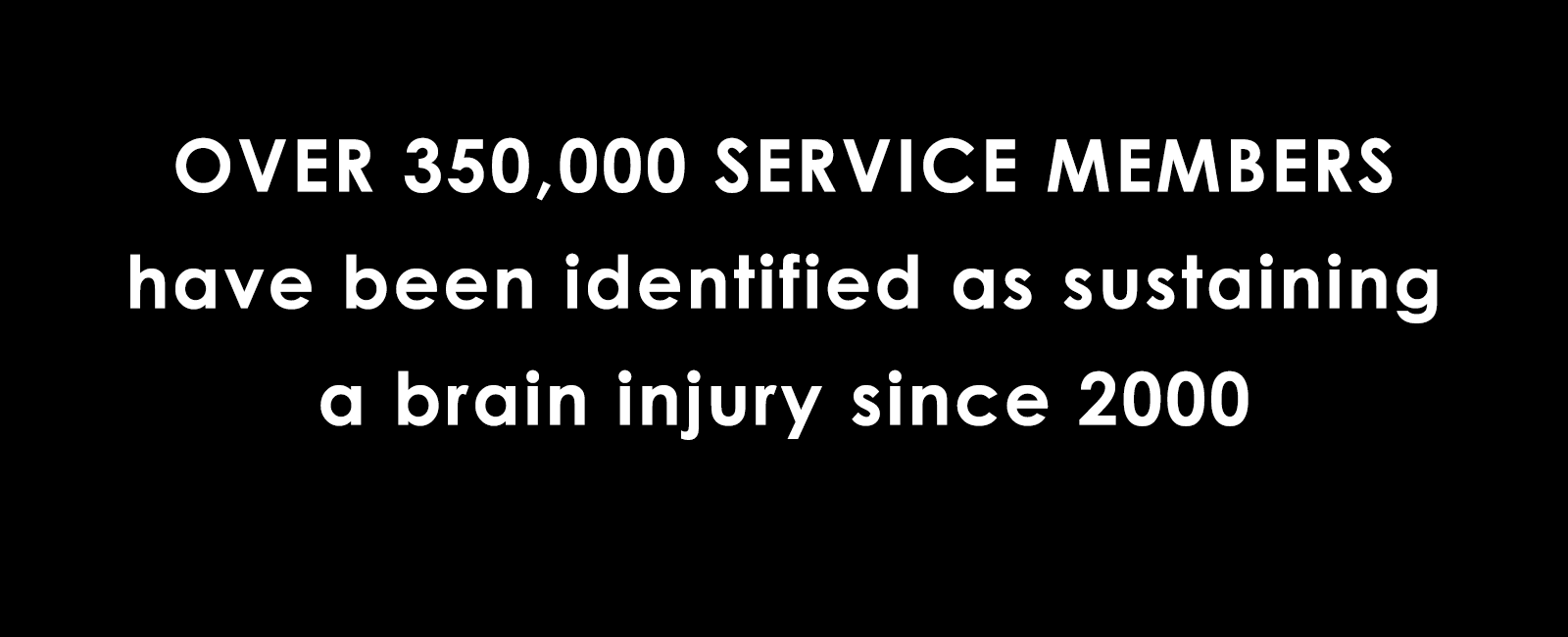
  • Adult Transition Committee: Members will be working with vocational training experts as well as social workers and other related professionals dealing with young adults (ages 16-25) who are transitioning into a more independent environment and lifestyle, including a special emphasis on the military since more than half of the veterans returning from war with brain injuries are under 25 years of age. This committee is perfect for students who are interested in the field of social work, psychology, higher education or vocational training as well as those who are specifically interested in supporting our military families.
  • Mild TBI Committee: Members will be working with professional, collegiate and youth sports leagues and organizations to better prevent, identify and treat concussions ("mild traumatic brain injuries") as well as raising awareness for peers, parents and professionals around the signs of possible "mild TBIs". This committee will work with the Prevention, Acute, Reintegration and Adult Transition Committees for the natural overlap dealing with their respective areas for this sub-group. This committee is perfect for students who are interested in any type of sport or sports medicine.
  • Rural/Tele-health Committee: Members will work with some of the leading technology and communication experts at extending better medical care, education and information to rural and frontier regions of the United States as well as specialists who deal with Native American, farming and remote populations. This committee will work with the Prevention, Acute, Reintegration and Adult Transitions Committees at delivering their programs to this high-risk population. This committee is perfect for students who are interested in telecommunications, technology development as well as working with those in rural populations.
  • The Virtual Center Committee: Members will be working with neuroinformatics and epidemiologist professionals as well as database and information technology experts dealing with the development and architecture of databases, analysis of the data, website design and animation. This committee will be working with all of the other committees to implement their programs onto Internet-based applications. This committee is perfect for students who are interested in information system design, gathering and analysis as well as creative design and marketing.
  • The Legal Committee: Members will be working with some of the top lawyers and advocates in the areas of family law, special education law, criminal law, tort law, social security/disability law, insurance litigation and estate/life planning by advocating and supporting PABI families across these Legal Categories of Care. This committee is perfect for students who are interested in going to law school or are specifically interested in social justice issues.

Zackery Lystedt Brain Project


Many pediatric acquired brain injuries occur during sports-related activities. The Sarah Jane Brain Foundation and the world's largest sports medicine and exercise science organization, the American College of Sports Medicine, have teamed up to reduce these sports-related brain injuries by launching the Zackery Lystedt Brain Project.

The Zackery Lystedt Brain Project is named after a very brave 17-year-old from Washington State who sustained a debilitating brain injury playing football in 2006 after returning to play too quickly following a concussion. Through the efforts of Zackery and his parents, along with the Brain Injury Association of Washington, the Seattle Seahawks and many local organizations, Washington Governor Christine Gregoire signed a measure named the "Zackery Lystedt Law" in May 2009. A month later, Oregon Governor Ted Kulongoski signed a similar measure dubbed "Max's Law." Both measures were passed unanimously in their respective state legislative bodies.

The Zackery Lystedt Brain Project's mission is to advance three core principles across the country through public awareness, education and training, legislation and advancing research to prevent, identify and treat these sports-related brain injuries.  The three core principles established in the Zackery Lystedt Law are: 1) educate and verify that all youth athletes, their parents and coaches understand the risks associated with sports-related brain injuries; 2) identify and protect youth athletes so when there is a suspicion of such an injury, they will be immediately removed from play or practice; and 3) all youth athletes who are removed because of such suspicion must be medically evaluated and cleared by a licensed healthcare provider trained in concussion evaluation and management before they can return to play or practice.

The launch of the Zackery Lystedt Brain Project during Super Bowl week in Miami was featured in the New York Times and was covered by the Associated Press, ESPN, the Chicago Tribune and many other publications around the country.

To find out how to participate in the Zackery Lystedt Brain Project in your state or to keep track of current activities in your state, visit www.ZackeryLystedtBrainProject.com .

How can you help?


  1. If you haven't already registered with Sarah Jane Brain Registry, click on the appropriate circle or triangle above and register today or click here
  2. If you are able to make a tax-deductible donation, please click here
  3. If you would like to sign our online petition to implement the National Pediatric Acquired Brain Injury Plan (PABI Plan), please click here
  4. If you are already registered in the PABI Registry and would like to volunteer for the Sarah Jane Brain Foundation, please click here
  5. If you are a student (high school, college or graduate school) and would like to start a Sarah Jane Brain Club in your school, please click here
  6. If you have an idea to start your own Brain Project in honor or memory of a child or young adult with a PABI, click here for our online submission form.